Cheers to 2021: An Embroidery Designer’s Real-Project Review
First Look at the Cheers to 2021 Graphic
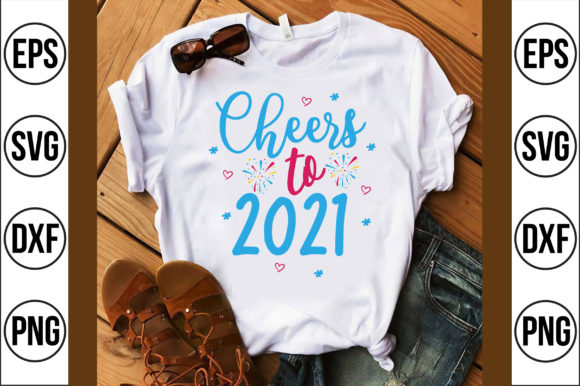
When I opened the Cheers to 2021 design file, it felt like a snapshot of celebration — the kind of artwork that instantly suggests clinking glasses, confetti, and fresh starts. The composition leans into festive energy without being overly loud, which is a huge plus when you plan to stitch it onto fabric. As a designer who tests graphics before turning them into machine embroidery designs, I immediately pictured this on a wine-colored sweatshirt or a neutral tote bag for a New Year’s boutique product.
The typography and decorative elements have a balanced rhythm. Curves, small accent lines, and likely champagne flutes or stars — depending on the exact version — give it enough personality to stand out, yet the layout stays clean. That matters a lot when translating art into embroidery files, because excessive detail can turn into muddy stitching. My gut says this one will digitize well if you respect a few key boundaries.
Mood and Visual Personality for Stitched Products
This graphic sits right in the sweet spot between trendy and timeless. It’s obviously tied to the 2021 transition, so it works best as a seasonal or commemorative piece. But the “Cheers” message carries over to birthdays, anniversaries, or any celebratory occasion beyond the new year. For handmade product sellers, that versatility widens your selling window. I could see the finished embroidered patch on a denim jacket, a framed hoop art for a home bar, or a baby embroidery keepsake — say, a tiny onesie with the design stitched in gold for a New Year’s baby.
The visual weight is friendly and warm. It doesn’t scream corporate or stiff. Instead, it invites a smile, which is exactly what you want when customers browse through craft business listings. On-screen the PNG preview might look crisp and bold, but I always flip my designer brain to ask: “Will this charm survive the needle and thread?” From what I see, yes — if you make thoughtful thread color and fabric choices.
Where Cheers to 2021 Shines in Embroidery
After analyzing the shapes, line thickness, and overall form in the SVG and EPS sources, I’d confidently assign Cheers to 2021 to these embroidery projects:
- Custom apparel: sweatshirts, hoodies, and T-shirts for craft fair inventory or Etsy holiday listings.
- Tote bags and canvas pouches: the design’s size and shape feel right for centered chest or large pocket placements.
- Kitchen towels and aprons: ideal for a hostess gift or a small shop’s New Year’s collection.
- Caps and hats: especially structured front panels, though I’d scale the design down and check small text carefully.
- Pillow covers: in metallic or matte thread, it adds a chic party vibe to home décor.
- Embroidered patches: the compact style is perfect for iron-on or sew-on patches sold in sets.
Each of these finished product ideas plays to the design’s strength: it’s concise, celebratory, and easy to read from a distance. That readability is huge for Etsy seller photos and in-person market tables.
A Real Stitch-Out Scenario: The Sweatshirt Test
Let me walk you through a practical test I imagined when evaluating Cheers to 2021. I’d grab a medium-grey crewneck sweatshirt — a soft cotton blend with minimal texture. The plan: stitch the design in the center chest area using a burgundy and champagne thread palette. Before loading the hoop, I’d open the vector file to check the smallest details, especially the lettering loops and any confetti dots. Those are the first suspects to cause thread breaks or loss of clarity when digitized at a smaller scale.
After converting the graphic into an embroidery file, I’d run a test stitch on scrap twill first. Why? Because even a beautiful machine embroidery design can misbehave if the underlying artwork has thin strokes that don’t translate well to satin stitch or fill stitch algorithms. I’d watch for any puckering on the fabric, tighten the hoop size to match the design’s dimensions exactly, and use a sturdy stabilizer — likely a cut-away for the sweatshirt’s knit. The test run would tell me if I need to increase the size slightly, simplify a tiny decoration, or adjust pull compensation. Only after that would I feel confident about listing the finished sweatshirt in my small shop or gifting it.
Navigating Fabric and Texture Challenges
This graphic is forgiving on smooth, medium-weight fabrics, but I’d be extra cautious with these surfaces:
- Stretchy fabrics: thin jersey or performance blends can distort the lettering unless you use a no-show mesh stabilizer and possibly a topper.
- Textured fabrics: terry cloth or waffle weave will swallow fine details; only use Cheers to 2021 here if you’ve simplified the design and chosen bold, thick lettering substitutes.
- Dark fabrics: always test thread color contrast. The “Cheers” script might lose legibility if you stitch it in a dark tone on black — consider a lighter outline or a contrasting fill.
- Thin or sheer fabrics: the stitch density might feel too heavy; you’ll need to adjust underlay stitching carefully.
For products that face frequent washing — like everyday custom apparel — I’d also evaluate the thread’s colorfastness and the design’s resilience. Any tiny detached confetti shapes need to be securely locked in digitizing, otherwise they could unravel after repeated laundry cycles and hurt your handmade product reputation.
Designer Notes on Digitizing and Production Flow
Your download package — SVG, PNG, EPS, DXF, JPEG — is a starter kit for creators using Cricut or Silhouette, but as an embroiderer, you’ll still need to turn it into a proper embroidery file through digitizing software. Before you let that fact discourage you, here’s my honest take: the clean vectors in Cheers to 2021 make the digitizing process pretty straightforward. Paths are well-defined, and the separation between elements likely allows for easy color change planning.
However, I always remind my fellow embroidery designers to do these checks:
- Test the black-and-white version. Print the EPS or SVG in monochrome to see if the design still reads without color. If it does, it’ll hold strength in single-color embroidery or when you’re limited to a two-thread palette.
- Confirm stitch density. Don’t let the clean PNG fool you into thinking a dense, heavy fill is best. For something festive like this, a mix of satin stitch for the main script and lighter fill stitch for accents often looks more professional.
- Compare light and dark backgrounds. I’d mock up the design on white, oatmeal, navy, and charcoal fabric previews before settling on thread colors. That simple habit alone boosts buyer engagement when you present product photos with multiple colorways.
- Respect the smallest details. If the original has ultra-fine confetti lines or tiny dots, enlarge them slightly or swap them for a more stitch-friendly shape. Better to keep the illusion than to clutter the finished product.
In terms of commercial embroidery, always verify the usage rights that come with the digital embroidery file or source graphic. Even though the product description states it’s compatible with Cricut and Silhouette, you should confirm if selling finished embroidered items is allowed. Many craft business owners I know purchase these graphics for personal projects, but they also double-check licensing before adding the design to a paid Etsy listing or a boutique order.
Making the Most of Cheers to 2021 in a Small Shop
If you run a handmade shop, this design can anchor a clever product bundle. Imagine a tote bag design that pairs the stitched graphic with a real champagne flute pocket, or a set of kitchen towels with matching embroidery for a New Year’s hostess gift. The graphic’s party-forward mood also works well on baby embroidery projects: a bib or burp cloth with “My First New Year” and a stitched Cheers to 2021 motif could sell like crazy during the holiday season.
For digital product sellers who resell printable mockups or design assets, including a clean JPEG preview of the design on a stitched product mockup adds value. But I’d caution against presenting it as a ready-to-stitch embroidery file unless you actually provide that format. Transparency builds customer trust — something you can’t afford to lose in the small shop product world. If you only provide SVGs and PNGs, make sure your listing says that clearly so buyers aren’t confused when they can’t load it onto their embroidery machine.
Where This Design Fits in the Bigger Embroidery Landscape
Cheers to 2021 won’t replace an intricate floral applique design or a complex multi-hoop quilt block, but that’s not its job. Its strength lies in being an approachable, stitch-friendly graphic that does one thing well: it delivers a crisp, cheerful message. For embroidery designers who cater to event-based products, seasonal gifts, or “New Year, new vibe” merchandise, this design fits like a favorite hoop frame. I can already picture it on a satin-stitched wine bag, a set of embroidered coasters, or a holiday embroidery cardigan for a client’s annual party.
From a practical standpoint, I appreciate that the source files give me the flexibility to resize without losing quality — at least in vector form. That means I can adapt it for a left-chest logo, a full-back statement piece, or a tiny embroidered patch without starting from scratch. In the craft business world, that kind of scalability saves hours and helps keep your product range cohesive.
If I had one wish for a design like this, it would be an accompanying test file in a common embroidery format just to speed up prototyping. But that’s a minor note. As it stands, Cheers to 2021 is a solid graphic foundation for a whole family of personalized gifts and custom apparel items. Treat it with the same respect you’d give any pre-stitch art, test thoroughly, and you’ll end up with a finished product that feels genuinely celebratory — not just another throwaway slogan.