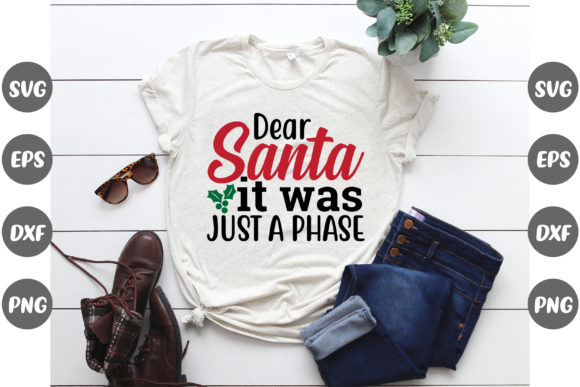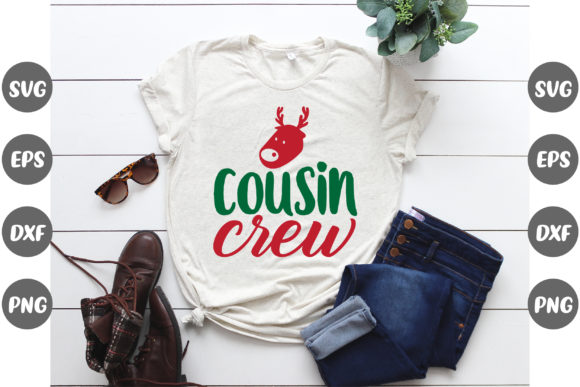
Christmas Design Cousin Crew: T-Shirt Graphics
Opening a fresh graphic design asset always feels a bit like unwrapping something before the holiday season officially starts. The Christmas Design, Cousin Crew collection landed on my desktop with exactly that kind of energy. It is playful without tipping into childish territory, festive without screaming, and warm enough to feel genuinely inviting. As someone who builds blog visuals, editorial layouts, and content upgrades week after week, I immediately started mentally slotting this into real publishing workflows. The first impression is clean, family-oriented, and slightly nostalgic. That mood matters because when a reader lands on a blog post, a newsletter, or a Pinterest pin, the visual tone sets every expectation that follows.
The design carries a casual, lifestyle-focused personality that would sit comfortably on a modern parenting blog, a family travel website, a holiday crafting newsletter, or even a small shop selling seasonal printables. It does not feel corporate or stiff, and that is exactly the point. For content creators who publish around traditions, gatherings, gift guides, or memory-making topics, this asset communicates belonging before a single headline gets read. The Cousin Crew theme, in particular, taps into something specific and shareable. It is niche enough to feel special but broad enough to work across multiple content formats.
What kind of editorial mood does Cousin Crew create
There is an immediate sense of togetherness baked into this design. The typography choices and decorative elements suggest a relaxed, cheerful gathering rather than a formal event. That makes it ideal for blog graphics that need to feel approachable. If your content strategy relies on building reader trust through relatable storytelling, a visual asset like this supports that goal effortlessly. The tone is warm, slightly whimsical, and grounded in the kind of shared experience that performs well on social media and in email marketing.
For publishers who care about visual hierarchy, the composition of Christmas Design, Cousin Crew offers strong focal points. The main text element draws the eye first, which means you can overlay it onto a hero image or feature it inside a website header without worrying about competing elements. That clarity is exactly what editorial design demands when you are creating content that needs to be scanned quickly on mobile screens.
Real publishing scenarios where this graphic fits
I tested this asset across several common content workflows, and it held up remarkably well. Here are the most practical applications I could see immediately:
- Blog featured images for holiday recipe posts, family activity roundups, or cousin reunion ideas
- Pinterest pins designed to drive traffic to seasonal gift guides or printable checklists
- Newsletter headers announcing a festive content series, digital product launch, or limited-time affiliate promotion
- Digital guide covers and lead magnet thumbnails for holiday planning downloads
- Social media graphics for Instagram stories, Facebook post images, or TikTok cover thumbnails
- Category thumbnails on a WordPress blog organizing seasonal content archives
- Downloadable printable designs packaged as part of a paid content product or free resource library
- Media kit accents for influencers pitching holiday brand partnerships
- Canva template starting points for clients or team members who need branded seasonal graphics
In each of these scenarios, the Christmas Design, Cousin Crew graphic maintains its personality. The file formats offered including EPS, SVG, DXF, and PNG make it straightforward to drop into Adobe Illustrator for vector editing, upload into Canva for template creation, or resize for web use without losing quality. That versatility is something experienced blog designers and digital publishers look for before committing a design asset to a live project.
How the right T-Shirt Designs graphic strengthens content performance
When a blog graphic looks polished, readers make split-second judgments about credibility. A thoughtfully chosen graphics asset signals that the content behind it deserves attention. The Christmas Design, Cousin Crew collection supports stronger first impressions because its composition is balanced and its typography is legible at multiple sizes. That directly influences click-through potential on platforms like Pinterest, where a pin competes against dozens of others in a single scroll.
Consistent use of a cohesive design asset across a content series also reinforces brand identity. If you publish a four-part holiday email sequence, using this same visual language on every newsletter header, download cover, and social preview builds recognition. Readers begin associating that specific style with your content, which improves open rates and engagement over time. For affiliate marketers, that recognition translates into trust, and trust moves products.
Visual hierarchy inside the design itself helps guide the reader's eye to the most important message first. Whether you add a blog post title, a call to action, or a discount code layered on top of the graphic, the underlying structure of Christmas Design, Cousin Crew provides a reliable foundation. This is not a cluttered design that fights against your content. It complements text overlays cleanly, which makes it suitable for text-heavy blog images when handled with care.
Where this design asset shines brightest
After testing it in different placements, I found the strongest performance in these publishing contexts:
- Hero images and article headers on seasonal blog posts where the graphic sets the mood immediately
- Pinterest pins formatted vertically with a bold headline overlay, especially for listicles and roundups
- Newsletter banners where the design anchors a themed email without overwhelming the message
- Downloadable resource covers such as holiday planners, recipe cards, or activity sheets
- Category page thumbnails that help organize a blog's seasonal content library
- Digital product mockups for shops selling printable designs or Canva templates
In each of these placements, the design asset behaves like a professional editorial element rather than a decorative afterthought. That distinction is what separates a functional creative design from something that just looks nice in isolation. For publishers juggling multiple content formats, having one versatile digital download that works across website, email, and social channels simplifies the production process significantly.
Using the cousin crew design carefully in specific contexts
No single graphic works everywhere, and Christmas Design, Cousin Crew is no exception. On very small mobile thumbnails, some of the finer decorative details may become less distinct. If you are placing this into a text-heavy blog image where the graphic competes with multiple paragraphs of overlaid copy, readability could suffer. Busy website layouts with low-contrast backgrounds might also wash out the design's warmth.
For corporate content, legal blogs, financial newsletters, or medical websites, this festive, family-oriented style would feel out of place. Brands with an extremely minimal or monochromatic visual system might find the seasonal personality harder to integrate without adjustments. In those cases, using the design sparingly as a seasonal accent rather than a primary branding element is the smarter publishing choice. Always preview the graphic inside your actual blog layout, email template, or Canva workspace before committing it to a live page.
Publisher notes from real testing
Before any graphic design asset goes live on a monetized website or affiliate page, I run through a standard checklist. Here is what I recommend after working with Christmas Design, Cousin Crew:
- Test on desktop and mobile screens. What looks balanced on a large monitor may feel cramped on a phone. Resize and preview.
- Check the thumbnail view. Many readers will first see this graphic as a small featured image or Pinterest pin. Confirm it reads clearly at reduced sizes.
- Preview inside a real blog layout. Drop the graphic into an actual post template with your headline, byline, and surrounding content to see how it integrates.
- Test with headline text overlaid. Add a sample title in serif font, sans serif font, script font, handwritten font, and display font styles to identify which pairing feels most natural.
- Check contrast and readability. The design's color palette should support legible text overlays without requiring heavy adjustments.
- Try it in black and white. If your content gets printed or viewed on e-ink devices, confirm the design still holds its structure without color.
- Review file size for web performance. Large PNGs can slow down page load times. Compress images properly before uploading to your site.
- Confirm commercial licensing. Before using this on monetized websites, affiliate pages, or paid content products, verify that the commercial license covers your intended use.
Why versatile file formats matter for digital publishers
The inclusion of EPS, SVG, DXF, and PNG formats in this digital download package gives publishers real flexibility. SVG files scale infinitely for website headers and responsive designs. EPS files open in professional vector software for custom color adjustments, resizing, or combining with other design assets. DXF format supports crafters and those working with cutting machines, which opens up possibilities for physical product creation. PNG files provide immediate drag-and-drop convenience for blog graphics, social media posts, and Canva uploads.
For a blog designer managing a content calendar, having all four formats eliminates the friction of file conversion mid-project. You can start a Pinterest pin in Canva using the PNG, refine a website header in Illustrator with the EPS, and still have the SVG ready for a developer implementing scalable graphics on a custom theme. That workflow efficiency matters when publishing deadlines stack up.
Building a cohesive visual system with one design asset
A single well-chosen creative design can anchor an entire seasonal content strategy. Imagine a blogger running a December series called "Cousin Crew Christmas Countdown." The Christmas Design, Cousin Crew graphic becomes the visual thread connecting every piece of content. The blog hero image uses it. The newsletter header repeats it. The Pinterest pin templates feature it. The downloadable activity sheet carries it as a cover. The Instagram story graphics reference it. That repetition builds a brand identity that feels intentional and professional, not scattered or rushed.
For affiliate marketing content specifically, cohesive visuals increase the likelihood that a reader will click through to a recommended product. When the graphic on a gift guide looks polished and trustworthy, the affiliate links inside that guide inherit some of that credibility. Small business owners and creative entrepreneurs who sell digital products or printable designs can also use this asset to elevate product photography, listing images, and promotional graphics across their online shops.
What the Cousin Crew theme brings to modern content publishing
There is a growing appetite for content that feels personal and specific. Generic holiday graphics no longer stand out in crowded feeds. The Cousin Crew concept resonates because it names a relationship that many readers cherish but rarely see represented in commercial T-Shirt Designs or seasonal graphics. That specificity gives bloggers and publishers a subtle edge. A pin that says "Cousin Crew Christmas" stops a scroll differently than a generic "Happy Holidays" graphic. It invites the reader into a moment they recognize.
For online educators and newsletter creators building seasonal content, this kind of editorial design asset supports framing lessons, announcements, or curated recommendations around a theme that feels cohesive rather than piecemeal. When every visual element in a content series shares a design language, the audience perceives the publisher as more organized and professional.
Integrating Christmas Design Cousin Crew into a Canva template library
Many content teams and solo publishers now rely on Canva for rapid graphic production. The PNG format in this package imports cleanly into Canva, where it can serve as a base for templated graphics. Build a set of branded Canva template variations once, and your team or clients can reuse them throughout the season without starting from scratch each time. This approach works especially well for small business owners managing their own content marketing and social media presence.
The modern design sensibility of this asset means it pairs well with both serif and sans serif fonts, giving you room to adapt it to different brand guidelines. Whether your website leans classic and editorial or bright and casual, the graphic provides a flexible foundation rather than a rigid look that demands everything else conform.
When I consider the full picture of what Christmas Design, Cousin Crew offers from a publishing perspective, the value sits in its adaptability. It works as a standalone website header, a layered element in a lead magnet, a repeating motif in a digital guide, or a featured accent on a social media graphic. The theme is specific enough to feel intentional, the file formats cover professional and beginner workflows alike, and the overall quality supports the kind of polished presentation that keeps readers clicking, scrolling, and trusting the content you publish.