Coffee Now Graphics Review for T-Shirt Designs and Branding
I opened the Coffee Now file set on a Tuesday morning while preparing a brand identity pitch for a small-batch coffee roaster in Portland. The client wanted something warm, approachable, and distinctly local—nothing corporate, nothing cold. The moment I saw this graphic asset on screen, I knew it would anchor the entire visual direction. It has that rare quality where a single design element can set the tone for an entire brand conversation.
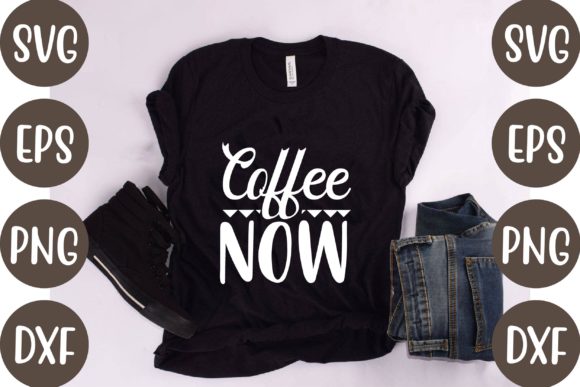
What strikes me first about Coffee Now is its confident simplicity. The graphic carries a hand-drawn quality that feels intentional rather than rough, suggesting a brand personality that is friendly without being childish and premium without being pretentious. For a local coffee shop, bakery café, or even a specialty food brand, this is exactly the kind of visual language that builds customer trust before anyone reads a single word on the packaging.
The mood lands somewhere between rustic farmstand charm and modern artisanal craft. It suggests steam rising from a fresh cup, morning rituals, and the quiet energy of a neighborhood coffee bar. I could immediately picture it printed on kraft paper labels, embossed on cup sleeves, or scaled up as a hero graphic on a shop window. For brand designers working with Graphics in the food and beverage space, finding assets that communicate warmth without clutter is genuinely difficult—this one solves that problem cleanly.
What kind of business should consider Coffee Now
After testing placement across several mockups, I can confidently say Coffee Now fits a specific but broad range of small business categories. Coffee shops and espresso bars are the obvious match, but the design's versatility extends well beyond that. Bakeries, pastry shops, breakfast nooks, tea houses, craft beverage brands, and even specialty food trucks would benefit from this visual style. The graphic has enough personality to carry a brand identity forward but enough restraint to work alongside other design elements.
I also tested it against brand boards for a handmade candle company and a small-batch granola business. In both cases, Coffee Now adapted surprisingly well. The organic, hand-crafted feel translated naturally to product categories that emphasize artisan quality and small-batch production. For T-Shirt Designs and merchandise specifically, this graphic performs beautifully—it has the kind of iconic simplicity that looks intentional on apparel rather than promotional or forced.
Businesses targeting customers who value authenticity, craftsmanship, and local character will find this asset aligns perfectly with their audience expectations. It does not try to look like a national chain logo, and that is precisely its strength.
First impressions on packaging and product labels
I ran Coffee Now through a series of packaging tests—coffee bags, takeaway cups, pastry boxes, and jar labels. On a matte black coffee bag with minimal text, the graphic created an immediate shelf appeal that felt both cozy and contemporary. On a white ceramic mug mockup, it read as intentional and premium. The line weight holds up well at different scales, which is critical for packaging design where the same asset might appear large on a window decal and small on a loyalty card.
One thing I always check with any graphic destined for product labels is how it interacts with surrounding typography. Coffee Now leaves enough breathing room around its natural silhouette that text placement feels intuitive rather than forced. When I paired it with a clean sans serif for the brand name and a light serif for product descriptions, the hierarchy stayed clear. The graphic anchors the layout without demanding all the attention—a quality that separates well-designed Graphics from those that overwhelm a composition.
For product packaging specifically, the PNG file with transparency was immediately useful for mockup placement. I dropped it onto a kraft paper bag template, adjusted the color to a warm cream, and the result looked like a finished product ready for shelf photography. Small business owners who handle their own packaging design will appreciate how quickly this asset integrates into real-world applications.
Social media and promotional material potential
When I build a brand identity for a local business, I always think beyond the static touchpoints. A graphic asset must work across social media graphics, promotional banners, Instagram stories, seasonal campaigns, and printed flyers. Coffee Now passed every test I threw at it. On a story template announcing new hours, the graphic provided instant brand recognition. On a promotional flyer for a weekend latte special, it added warmth that stock photography alone could not deliver.
For social media managers and small business owners creating content regularly, having a signature graphic element like this simplifies content creation. You can use it as a recurring visual anchor across posts, building visual consistency that followers start to recognize. When I tested it against typical coffee shop social feeds, Coffee Now stood out precisely because it did not look like a stock icon or a generic Canva element. It carries a custom, designed-for-purpose quality that elevates casual social content into something closer to brand presentation.
I also recommend this asset for promotional material like loyalty punch cards, event posters, menu inserts, and thank-you notes. The hand-drawn quality makes every touchpoint feel more personal, which directly supports customer trust and repeat business in the local market.
Where Coffee Now truly shines in a brand system
After a full day of testing across different formats and contexts, I identified several applications where Coffee Now performs at its absolute best. Product labels benefit enormously—the graphic gives small-batch products an artisanal signature that photographs well and reads clearly on crowded shelves. Packaging accents like hang tags, belly bands, and box stamps also gain instant personality with this element applied.
Hero graphics represent another strong application. When scaled up on a website banner, café window, or menu board, Coffee Now commands attention without shouting. It invites the viewer in rather than demanding their gaze, which aligns perfectly with hospitality-focused brands. Decorative brand elements across stationery sets, business cards, and invoice templates also benefit—the graphic threads visual continuity through every customer interaction.
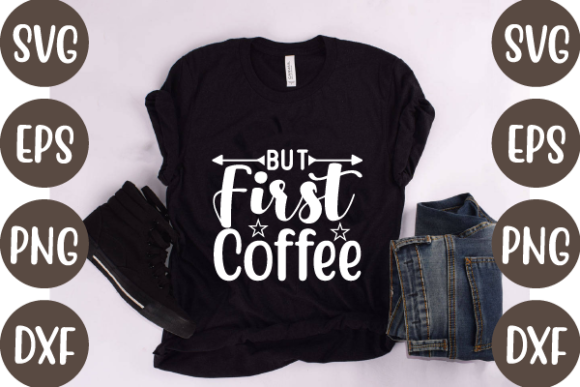
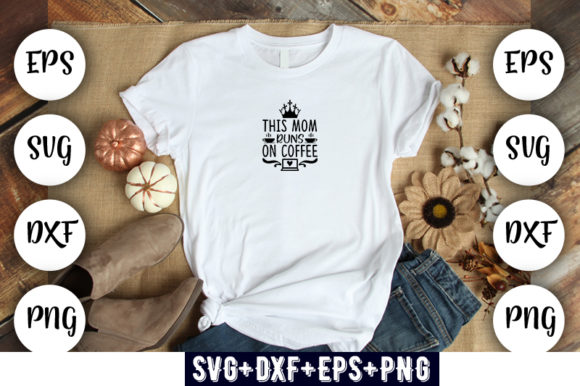
For T-Shirt Designs and wearable merchandise, I tested placement on crewneck sweatshirts, tote bags, and apron mockups. The graphic reads beautifully at chest-print size and retains its character when scaled down for sleeve hits or tag prints. Local coffee shops selling branded merchandise will find this asset pays for itself the moment they print their first run of staff tees or customer-facing retail items.
Seasonal packaging campaigns gain particular value here. Imagine Coffee Now printed in metallic gold on holiday coffee bags, or in warm terracotta on autumn pastry boxes. The graphic adapts to color shifts without losing its identity, making it a reusable asset across multiple campaigns and seasonal promotions.
Where to use caution with this graphic
As much as I appreciate Coffee Now, a honest review requires acknowledging its limitations. This graphic is not designed for formal corporate branding—if your client is a law firm, financial service, or luxury minimalist brand with ultra-clean aesthetics, this asset will feel out of place. The hand-drawn quality that makes it charming in a neighborhood café context becomes a liability in settings that demand sterile precision.
Very small labels present another challenge. When I tested the graphic at stamp size on a tiny product tag, some of the finer line details began to lose clarity. For ingredient-heavy layouts or packaging where legal text occupies significant space, I recommend using Coffee Now sparingly—perhaps as a subtle watermark or decorative accent rather than a primary visual element. Crowded designs will suffocate this graphic's impact.
Low-contrast backgrounds also deserve careful attention. On pale beige or light gray surfaces, the graphic can recede too far into the background unless you adjust the color or add a subtle outline. Always test print proofs before committing to a full packaging run. Check how the design behaves when converted to black and white, as some applications like receipt printing or single-color stamping may strip away the warmth that makes it effective.
Technical notes every brand designer should review
Before integrating any graphic asset into a paid client project or physical product, I always run through a technical checklist. With Coffee Now, the file set includes multiple formats that each serve different stages of the design workflow. The SVG and EPS files are your primary working formats for scalable vector editing. I opened both in Adobe Illustrator and confirmed clean paths with no stray points or broken curves. For a brand designer making color adjustments, size modifications, or stylistic edits, vector access is non-negotiable—and these files deliver.
The DXF format opens doors for production workflows that involve cutting machines, engraving equipment, or specialized printing software. If your client wants this graphic etched onto a wooden café sign or cut into vinyl for window graphics, the DXF file handles those applications. I appreciate when asset creators include this format because it signals an understanding of real production pipelines beyond just digital display.
The PNG file with transparency serves immediate mockup and digital design needs. I tested it in Photoshop, Canva, and directly on product mockup templates. The transparency was clean with no halo artifacts around the edges. For social media managers and small business owners working in Canva specifically, this PNG will drop into templates without frustrating background removal steps—a genuine time-saver when you are producing content at volume.
I recommend testing the graphic beside multiple font families before finalizing any brand system. I paired Coffee Now with a clean geometric sans serif, an elegant transitional serif, a flowing script font, a casual handwritten font, and a bold display typeface. The graphic held its ground beautifully across all pairings, though I found the sweet spot with fonts that carry a slight warmth in their letterforms. Overly rigid or mechanical typefaces created a subtle tension that felt unintentional.
Print quality testing is essential. I printed the graphic at various sizes on standard laser stock, kraft paper, glossy label material, and textured cardstock. The line details reproduced faithfully across substrates, though the textured paper added a pleasant organic feel that enhanced the hand-drawn character. If your project involves product labels or packaging that will be photographed for e-commerce listings, test a print proof on the exact material you plan to use—texture interactions can surprise you, sometimes beautifully and sometimes not.
How Coffee Now supports real local business goals
Beyond aesthetics, a graphic asset should contribute to measurable business outcomes. When a small coffee shop uses Coffee Now consistently across its branding, several things happen. The first impression on new customers becomes stronger because the visual identity reads as intentional and professional. Product recognition improves as customers begin to associate the graphic with positive café experiences. The overall brand identity gains cohesion, which directly impacts perceived value and pricing power.
I have watched local businesses transform their customer perception simply by upgrading from inconsistent clip art to a unified design system anchored by a strong graphic element. A coffee shop charging four dollars for a latte competes on experience, not just product quality. When the cup looks beautiful, the pastry bag feels special, and the loyalty card carries that same signature graphic, customers feel they are participating in something curated rather than transactional. Coffee Now supports that emotional connection because it carries the warmth and personality of a custom commission without the associated cost.
For creative entrepreneurs, marketers, and packaging designers working on client projects, this asset also simplifies workflow. Instead of spending hours searching for or illustrating a coffee-related graphic from scratch, you can start with a polished element, customize the color and scale, and direct your time toward the broader brand strategy. The commercial licensing question is important here—always confirm the terms before using any asset on physical products for sale or in client work that will appear on retail packaging.
Final evaluation for small business brand projects
After thorough testing across packaging mockups, social media templates, merchandise layouts, and print proofs, Coffee Now earns a strong recommendation for the right type of project. The graphic delivers exactly what local food and beverage brands need: personality without clutter, warmth without amateurism, and flexibility without complexity. For coffee shops, bakeries, tea houses, and artisan food brands, this asset provides an immediate visual upgrade that photographs well, prints cleanly, and resonates with customers seeking authentic local experiences.
The file set is practical and production-ready. The design quality stands above typical marketplace offerings. The emotional tone strikes a difficult balance that many coffee-related graphics miss—it feels inviting rather than aggressive, crafted rather than mass-produced. For T-Shirt Designs, branded merchandise, and promotional campaigns, this is a versatile workhorse that will earn its place in your asset library.
Brand designers evaluating Graphics for client projects should consider Coffee Now when the brief calls for warmth, approachability, and a clear connection to coffee culture. Test it on your own mockups, confirm the commercial license terms, and prepare for a graphic that genuinely elevates the visual presence of any small business lucky enough to claim it as part of their brand story.