Dog Design Major Cattitude: T-Shirt Graphics Review
When a new graphic design asset lands on my desktop, the first thing I do is picture it on a product listing thumbnail at thumbnail size on Etsy or Creative Fabrica. If it still reads clearly at two inches wide, it passes the first test. Dog Design Major Cattitude caught my attention immediately because it occupies a specific niche that many sellers overlook — the intersection of dog lover humor and unapologetic feline attitude wrapped into one wearable statement. The name alone tells me the designer understands what makes a t-shirt graphic sell: personality that the buyer instantly recognizes as their own.
Opening the download folder, I received exactly what the product description promised. The file set includes SVG, DXF, EPS, and PNG formats, which covers the core needs for most online selling workflows. The SVG is the workhorse for Cricut and Silhouette users cutting heat transfer vinyl. The DXF serves similar purposes for older software compatibility. The EPS gives me a scalable vector source I can resize infinitely in Adobe Illustrator or Affinity Designer. The PNG, when properly exported with transparency, slots directly into Canva templates, mockup generators, and print-on-demand platforms without a second thought. Having all four formats in one download reduces the friction of file conversion — a small detail that matters when you are preparing multiple listings in a single afternoon.
First Look at Visual Personality and Niche Appeal
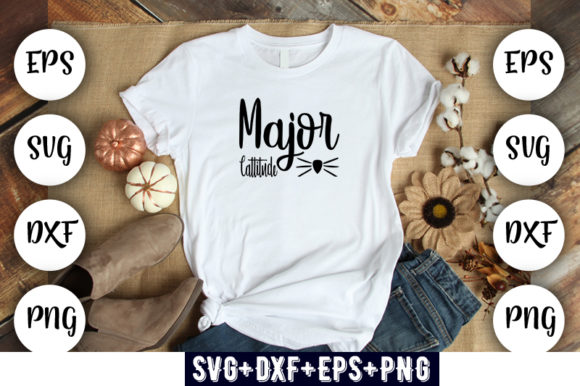
The design carries a bold, slightly cheeky energy. It is not overly cute or cartoonish, and it avoids the trap of looking like generic clipart from a decade-old CD-ROM collection. The lettering style has weight and presence, which matters enormously for t-shirt designs because thin or delicate lines often disappear on textured fabrics or dark garments. From a seller's perspective, this design leans into a modern rustic-meets-urban aesthetic — the kind of graphic that performs well on crewnecks, canvas tote bags, and oversized hoodies. It appeals to women who love their dogs but also identify with a sassy, independent streak. That dual-audience factor is something I actively look for when sourcing commercial design assets. A graphic that speaks to both dog owners and attitude-driven shoppers effectively doubles the potential buyer pool.
The mood is playful without being juvenile. I can see this printed on a heather gray unisex tee, a coral pink women's fitted shirt, or even a canvas pouch. The typography and layout suggest the designer had product mockups in mind from the start, which is not always the case with standalone graphics sold in marketplaces. Some assets look beautiful as flat digital files but fall apart when placed on a curved mug or a wrinkled shirt mockup. This one holds its own because the line weights are consistent and the composition is centered and stable.
Testing Across Product Categories Before Publishing a Listing
Before I ever publish a design to my Etsy shop or upload it to a print-on-demand platform like Printful or Printify, I run it through a battery of quick tests. These tests save me from the costly mistake of listing a product that looks great on my screen but disappoints the customer holding a physical item. Here is how I would approach Dog Design Major Cattitude in a real shop scenario.
Mockup Placement and Thumbnail Legibility
I always start by dragging the PNG onto at least three different product mockups — a standard unisex tee, a tote bag, and a mug or tumbler wrap. The high-contrast nature of this design works in its favor for marketplace thumbnails. On a white background mockup, the graphic pops immediately. On a darker background like charcoal or navy, I would consider adding a subtle offset path or a light distress overlay to help the design integrate with the fabric rather than float on top of it. Thumbnail appeal drives click-through rates, and designs that remain legible at small sizes consistently outperform those that require a closer look.
The lettering in Major Cattitude is bold enough to survive the thumbnail shrink test. Even at 200 by 200 pixels, the word "Cattitude" dominates and triggers curiosity. That is exactly what you want when competing against hundreds of similar dog-themed listings in a crowded search results page.
Cut Compatibility for Cricut and Silhouette Projects
For sellers catering to crafters who buy SVG files for DIY projects, cut quality is everything. I imported the SVG into Cricut Design Space to check node complexity and cut paths. The design held up reasonably well, with mostly clean outlines and no excessive overlapping paths that would confuse a beginner. However, designs with bold lettering and integrated graphic elements sometimes create weeding challenges around tight interior angles. I would recommend cutting a test sample on standard vinyl before selling this as a physical decal or iron-on transfer. For sellers offering the SVG design as a standalone digital download, including a quick note about recommended blade settings or weeding tips can reduce customer service inquiries and improve reviews.
Print Quality and Color Verification
When I prepare a sublimation design or a direct-to-garment print file, I always proof the colors on both a calibrated screen and a physical test print if possible. Colors that appear vibrant in RGB mode on a backlit monitor can shift unexpectedly when converted to CMYK for printing. This design appears to rely on high contrast rather than delicate gradients, which makes it forgiving across different printing methods. That said, I would still run a test print on a light-colored shirt and examine the edges for any pixelation or banding, especially if the PNG resolution is lower than 300 DPI at full print size.
Real Product Applications That Make Commercial Sense
Over the years, I have learned that a single well-chosen graphic can generate revenue across multiple product formats if you plan the collection strategically. Here are the most practical applications I see for this particular asset.
- Apparel graphics: T-shirts, sweatshirts, hoodies, tank tops, and baseball tees. The design's centered composition and bold typography make it a natural fit for chest prints and full-front placements.
- Accessory prints: Canvas tote bags, drawstring backpacks, canvas pouches, and cosmetic bags. The graphic scales well to smaller imprint areas without losing readability.
- Drinkware and home goods: Mugs, tumblers, water bottles, and coasters. The design's compact footprint fits standard 11-ounce mug imprint areas comfortably.
- Paper goods and printables: Greeting cards, gift tags, sticker sheets, and printable wall art. A sassy dog-themed card with this graphic could perform well in a digital download bundle.
- Digital planner and scrapbooking elements: The PNG file can be resized for use as a planner sticker, a journal embellishment, or a scrapbook element sold in a themed kit.
- Canva template components: For sellers building Canva-compatible template collections, the transparent PNG integrates seamlessly into editable designs for social media graphics, event invitations, or promotional materials.
When building a seasonal collection or a niche product bundle, I would pair this design with complementary sentiments and visual styles. It could anchor a small capsule collection of four to six dog-mom or pet-owner designs, each with a different color palette or typographic treatment. Bundles consistently outsell single listings in my experience, and having a standout piece like this one gives the entire collection a focal point.
Where to Use It with Care and Where to Hold Back
Not every graphic belongs on every product, and honest assessment of limitations separates profitable sellers from those chasing every trend. Here are the scenarios where I would exercise caution with Dog Design Major Cattitude.
Small-format stickers and labels require extra attention. If you are creating a sticker sheet or a planner decal smaller than two inches wide, the interior spacing of the lettering might close up and become difficult to read. I would test a scaled-down version before committing to a sticker listing. Similarly, on highly textured or ribbed fabrics, the fine interior details could lose crispness. A slightly distressed version might work better on those surfaces than a perfectly clean cut.
Products requiring precise cut lines — such as kiss-cut sticker sheets, intricate vinyl decals, or heat-transfer designs with fine weeding sections — benefit from a simplified version of this artwork. The original file works well, but I might offer a simplified alternate SVG for crafters who want an easier weeding experience. This kind of thoughtful file organization builds trust and repeat customers.
Dark-background products need a quick contrast check. On a black hoodie or a dark navy tumbler, the design might need an outline stroke added or a white underbase layer specified in the print instructions. I would not skip this step because a design that vanishes on dark substrates leads directly to returns and negative feedback.
Presentation, Branding, and Marketplace Perception
How you present a design in your listing images directly influences perceived value. I have tested this across hundreds of listings, and the pattern is consistent. A design shown on a single mockup in one colorway generates fewer clicks than the same design shown on multiple products and color variants. For Dog Design Major Cattitude, I would create listing images showing the full design on a white shirt, a heather gray hoodie, a tote bag, and a mug, all styled within the same visual template. This creates the impression of a cohesive product line rather than a one-off design.
Brand consistency across a shop matters for repeat buyers. If your shop specializes in funny pet owner designs, this asset fits squarely into that brand identity. If your shop is primarily elegant wedding invitations, a sassy dog design might confuse your audience. I always recommend choosing design assets that support your existing brand story rather than diluting it. This design supports shops built around humor, pets, attitude-driven messaging, casual apparel, and gift products for dog lovers.
File Organization and Customer Experience
Every time I purchase a commercial design asset, I think about the end customer who will eventually download it from my shop. Clear file labeling reduces confusion and support requests. I rename the files with descriptive, keyword-friendly names before uploading them to my listings — something like Major-Cattitude-Dog-Design-SVG-Cut-File or Dog-Lover-Cattitude-Shirt-PNG-300DPI. I also include a simple text file or PDF with usage tips and cutting recommendations. These small touches increase perceived professionalism and can be the difference between a one-time purchase and a customer who follows your shop for future releases.
The inclusion of four file formats in this asset pack gives me flexibility in how I structure my product offerings. I could sell the SVG and DXF together as a cut-file bundle for crafters, offer the PNG as a standalone printable or sublimation design, or package everything into a complete commercial bundle at a higher price point. Sellers who understand format-specific audience segmentation can maximize revenue from a single asset purchase.
Commercial Licensing and Long-Term Use Considerations
Before listing any product created with this design, I verified the commercial licensing terms included with the purchase. Most design assets sold for commercial use allow you to create physical end products for sale — shirts, mugs, tote bags, and similar merchandise. Digital resale of the original files in unaltered form is typically restricted, which is standard and reasonable. I always keep a copy of the license file with my purchase records in case of any marketplace disputes or listing flags.
For sellers operating on multiple platforms — Etsy, Amazon Merch, Redbubble, Shopify, Creative Fabrica, and others — the ability to use a single design across all channels without platform-specific restrictions matters for scalability. If you are building a long-term brand around dog-themed graphics and apparel, assets with clear, permissive commercial terms are worth prioritizing in your sourcing strategy.
Final Assessment from a Seller's Workbench
After testing Dog Design Major Cattitude across mockups, evaluating its cut quality, and mapping out potential product applications, I would confidently add it to my design rotation. It addresses a specific buyer persona with clarity, avoids the pitfalls of overly complex or delicate artwork, and gives me enough versatility to stretch across multiple product categories without feeling repetitive.
The file set is complete and practical. The design's personality is distinct enough to stand out in search results while remaining broad enough to attract impulse buyers and gift shoppers alike. For sellers building a dog-loving, attitude-filled product line, this asset earns its place in the commercial toolkit. Test it thoroughly on your own mockups, organize your files with care, and pair it with complementary designs to build collections that feel intentional rather than scattered.