Gnome for the Holidays Embroidery Design: Real-World Reviewed
As a designer who regularly tests graphics for embroidery use, I approached the Christmas Design Gnome for the Holida with a specific question in mind: would this digital illustration actually translate into something I’d feel proud to stitch onto a product and hand to a customer? After pulling the files—SVG, DXF, EPS, and PNG—and walking through my typical pre-production checks, I found a design that brings a lot of character, yet one that also demands a thoughtful eye before you commit it to thread.
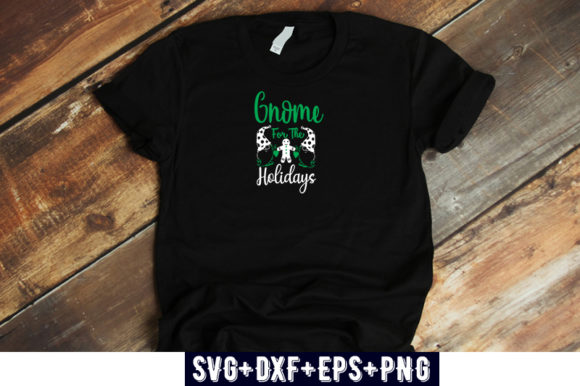
The file set itself is a Graphics package, not a ready-to-load embroidery file. That means if you’re a machine embroiderer, you’ll be digitizing this yourself or sending it to a digitizer. That’s a crucial starting point. But as a piece of artwork, the Christmas Design Gnome for the Holida offers a clean, charming holiday motif. The gnome’s silhouette is well-balanced—a pointed hat, a generous beard, a round nose—creating an instantly recognizable festive shape. There’s a cozy, storybook quality to it that I could see working wonderfully for boutique-style holiday merchandise.
First Impressions and the Gnome’s Personality
Opening the PNG preview, I immediately felt the design had a friendly, slightly nostalgic mood. The gnome isn’t overly complicated, which is a good thing for machine embroidery design work. Too many tiny details can turn into a mess of thread breaks or lost clarity on textured fabrics. Here, the forms are distinct: the hat has a nice curve, the beard area is substantial without being overwhelming, and if there’s any text, it’s likely simple enough to scale. I always double-check if small lettering exists because that can become your biggest headache in a 4×4 hoop.
What I appreciate most is the sense of movement in the design. The gnome appears ready for gifting or decorating, and that energy translates well onto project surfaces. Whether you’re creating a set of kitchen towels for a holiday craft fair or a single personalized sweatshirt for a family member, this gnome brings a personality that feels handcrafted from the start.
Real-Life Embroidery Scenarios and Project Fit
To test the practical value of Christmas Design Gnome for the Holida, I ran it through my usual project mental checklist: apparel, home decor, and gift items. Because the design is supplied as scalable vector files, you have a lot of control over sizing. That’s essential when you’re aiming for a left-chest logo on a polo or a full-back statement on a jacket. I mentally placed the design on several substrates to see where it shines.
The Tote Bag Test: A Maker’s Perspective
Imagine a canvas tote bag destined for a holiday pop-up shop. That’s where I first saw this gnome fitting in. I’d digitize it with a combination of satin stitch for the hat and nose, a textured fill stitch for the beard, and maybe a running stitch outline to keep the edges crisp. On a medium-weight cotton canvas, the design would stitch out with excellent definition, especially if paired with a cutaway stabilizer. The gnome’s size could be adjusted to about 5 inches tall for a tote front, making it visible without overwhelming the bag’s structure.
When I visualize the finished product, I see the red of the hat, the white of the beard, and a peachy nose standing out against natural cotton. That contrast is key—light fabric will make this gnome pop. For dark fabrics like charcoal or navy, you’d need to consider a lighter thread palette or an outline that holds the shape. The design’s whimsy would attract shoppers who love Scandinavian-style holiday decor, and because it’s a gnome, it sidesteps any overly religious connotations, broadening its market appeal.
Sweatshirts, Tea Towels, and Beyond
Apparel is another strong contender. A crewneck sweatshirt with a small embroidered gnome on the upper left chest could become a cozy Christmas morning staple. For that scale, you’d want to simplify some internal details to avoid density issues on fleece. The plush fabric tends to swallow fine lines, so I’d lean toward a slightly bolder rendition of the gnome, even if that means adjusting the artwork slightly during digitizing. Because you have the SVG, editing those small paths in Illustrator before converting is straightforward.
I also saw potential in flour sack tea towels, an apron bib, or a set of napkin rings. The T-Shirt Designs category fits the gnome well, but don’t limit yourself to just shirts. The same file can be adapted for printable mockups, sublimation, and, of course, embroidery. That multi-use nature adds real value for craft business owners who offer both printed and stitched product lines.
Where You Should Apply Extra Caution
Not every surface is the gnome’s best friend. Stretchy fabrics, for instance, can distort the design if not hooped perfectly. A baby onesie with this gnome would be adorable, but the knit cotton requires a water-soluble topper and a very stable hooping technique to keep the beard details from pulling. Deep pile fabrics like fleece blankets or chunky knit scarves might blur the design entirely, so I’d reserve this gnome for smoother, more predictable surfaces.
Small hoop sizes also demand realism. If you’re working with a 4x4 hoop, the gnome’s hat tip and beard bottom could get cut off unless you scale down carefully. At under 3 inches tall, any fine lines in the original artwork might disappear, so test a sew-out at your intended size on scrap fabric before committing to a dozen finished goods. Dark fabric presents the same challenge: the gnome’s beard, likely white or cream, will show every stitch misalignment, so make sure your machine’s tension is dialed in.
I also advise caution on items that get heavy washing, like kitchen towels. The design’s fill areas need to be dense enough to look lush but not so dense that they cause the fabric to pucker or the threads to break down after repeated laundering. A few test washes will tell you if your stitch settings hold up, especially if you plan to sell these at a craft fair where longevity builds reputation.
How This Design Affects Your Finished Product Value
From a selling perspective, the Christmas Design Gnome for the Holida can elevate a simple blank into a giftable item that feels handmade in the best possible way. The gnome motif carries instant holiday cheer, and when stitched neatly, it projects professionalism. Customers tend to trust products that look cohesive and thoughtfully designed. This gnome’s balanced composition makes it easy to center on a tote, pocket, or pillow, so your final product photographs well for Etsy listings or social media. That visual consistency can directly impact buyer engagement.
In a boutique setting, you can charge a premium for an embroidered gnome item because it’s perceived as a specialty piece. The design’s playful nature also lends itself to personalization—adding a name or a year beneath the gnome, for instance. However, because the design is a graphic and not a pre-digitized embroidery file, you carry the responsibility of ensuring stitch quality. Your reputation ties directly to how well you translate it into stitches. Done poorly, the gnome becomes a blobby mess; done right, it’s a signature piece that customers will associate with your brand.
Practical Designer Notes Before You Stitch or Sell
After evaluating Christmas Design Gnome for the Holida, I put together my standard pre-purchase and pre-production checklist. First, absolutely test the design on scrap fabric. Even a quick sew-out on the same material as your final product can reveal thread tension problems, unwanted gaps, or density issues you’d miss on screen. Because you receive the design as SVG, DXF, EPS, and PNG files, you have no native embroidery file like PES or DST. That means you’ll digitize it from scratch or hire a digitizer. I recommend opening the vector files in your editing software to check for overlapping paths or tiny isolated shapes that might not translate neatly; cleaning those up before sending the art to a digitizer can save money and time.
Pay close attention to thread colors. The gnome likely relies on a classic red, white, skin tone for the nose, and maybe a gray or blue for accents. On light fabric, that’s fine, but on dark backgrounds, you might need to add a light underlay or switch to an outline that keeps the beard visible. I often test stitches in black-and-white mockups to see if the design holds up without color—if it does, you know the shapes are strong.
Improve your results by choosing the right stabilizer. For apparel, a no-show mesh cutaway keeps things comfortable, while for flat items like patches or coasters, a heavy tear-away gives clean edges. I’d also neck down the stitch density in large fill areas like the hat to avoid stiffness.
Licensing is the final critical layer. The product description says you receive SVG, DXF, EPS, and PNG. That implies a commercial use license is often included, but you must confirm. Contact the seller to verify if you can sell finished items (totes, shirts) made from this design, and whether you can use it for digital products like printable mockups. Never assume—especially if you’re building a craft business around the design. Respecting the graphic’s license keeps your shop safe from copyright strikes and maintains your integrity as a maker.
In the end, Christmas Design Gnome for the Holida offers a delightful holiday motif that adapts well to embroidery, provided you put in the digitizing work and apply solid stitching practices. It’s a graphic that feels familiar yet fresh, perfect for Etsy sellers, small shop owners, and anyone who wants to add a playful, handcrafted touch to their winter product lineup. If you’re prepared to test thoroughly and treat the design as a starting point for your own embroidered interpretation, this gnome can absolutely find a happy home in your holiday collection.